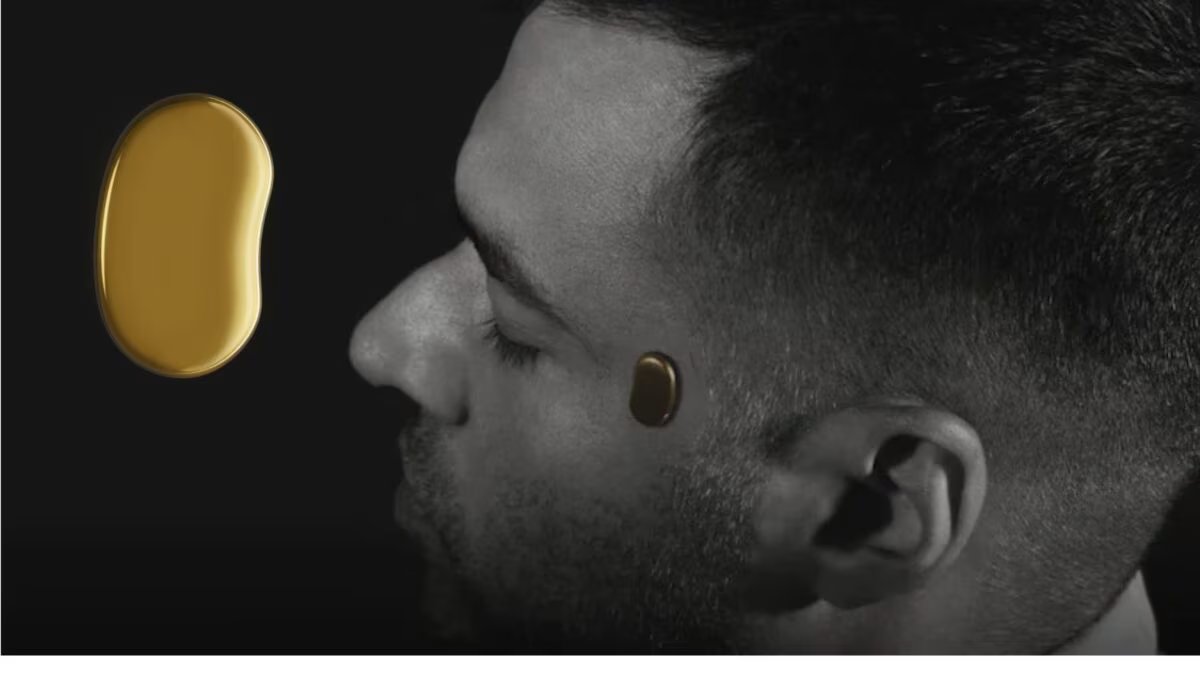
With doctors raising questions on the wearable device Temple, startup founder and former Eternal CEO Deepinder Goyal on Friday said it is a fitness tracker and wellness device and scientific validation and independent studies will be shared once the product is available to users.



In a series of posts on social media platform ‘X’, Goyal said that as soon as the device reaches customers, they will be able to test Temple’s claims for themselves. He told that the company has kept a return policy of 14 days, in which the device will be taken back without any questions and answers.
He said that Temple has invested about $30 million in developing this wearable device, which also includes about $20 million of its own capital. He said that the investment made in this project and the long-term commitment behind it proves that it is a fraudulent device.
Goyal, who stepped down as CEO of Eternal to focus on ‘Temple’, said his reputation rests on ensuring that the science behind the product is accurate.
He acknowledged that Temple has not yet performed clinical verification of all its scales, and said that the company will provide information when such verification is available.
Fitness tracker or medical device?
Goyal said, Temple is a fitness tracker and wellness device. We are not a medical device. He further said that more scientific validation and independent studies will emerge once the product becomes available to users.
The comments come amid growing criticism from doctors, particularly led by hepatologist (liver specialist) Cyriac AB Phillips – known online as ‘The Liver Doc’.
Phillips has publicly questioned Temple’s scientific claims, particularly his ability to measure brain parameters through the ‘superficial temporal artery’. In a post on X, Philips alleged that the company had not provided sufficient evidence to support its claims related to brain blood flow and other complex metrics.
He argued that publicly available materials and pre-print research papers do not fully prove the device’s capabilities. He also accused the company of exaggerating the science behind its products.
This debate has sparked a huge discussion on social media about what level of scientific evidence consumer wellness devices should provide before making health claims.
What did the founder say?
Goyal said that Temple will continue to publish its validation data and the company is sticking to its scientific methods. At the same time, critics say that independent ‘peer-reviewed’ evidence should be presented before accepting such claims.