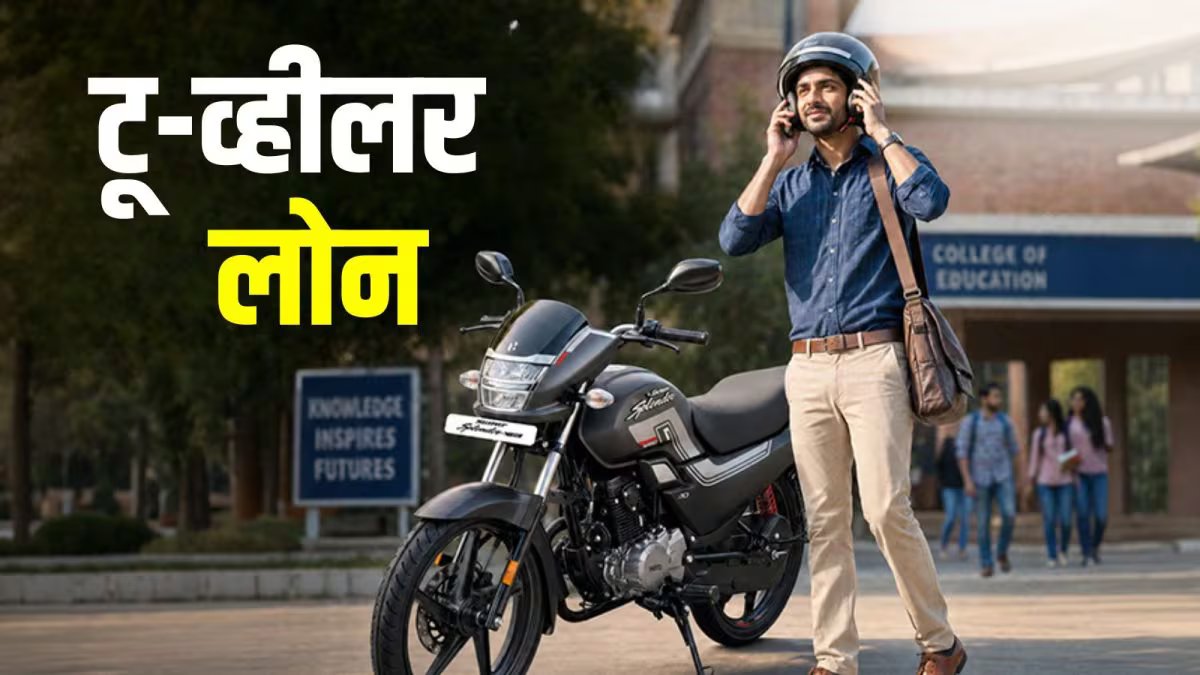
How to Choose the Right Insurance for Your Two-Wheeler: Most people still choose two-wheelers for daily commuting. Whether going to office daily or going on the busy roads of the city, bike makes the journey easier and faster. However, there is always a risk of accident, theft or unexpected loss when out on the road. In such a situation, choosing the right two-wheeler insurance policy is not just a legal formality or a way to avoid challan, but a strong shield of your financial security.


Insurance is mandatory under the Motor Vehicles Act of India, but taking the wrong policy can put a heavy burden on your pocket at the time of need. There are many types of plans and features available in the market, due to which people often get confused. It is very important to choose the right insurance cover keeping in mind your bike’s needs, budget and security priority. Let us know which insurance is right for you and which add-on would be better to take.
Choose the right insurance type
There are mainly three types of bike insurance:
Third-Party Insurance: This is mandatory by law. It compensates for the damage caused by your bike to any third person, vehicle or property, but it does not provide any cover for the damage to your own bike.
On Damage (OD) Cover: If you already have third-party insurance, this policy only covers damage to your bike caused by accident, fire, natural calamity or theft.
Comprehensive Insurance: This is the safest option. It provides complete coverage against third-party liabilities as well as damage to your bike. This is considered best for new or expensive bikes.
Determine the correct IDV of the bike
IDV i.e. Insured Declared Value means the maximum amount the insurance company will pay you if the bike is stolen or completely damaged. In such a situation, it is very important to keep these two things in mind-
- In order to reduce the premium, do not keep the IDV too low, otherwise you will get very less claim on huge loss.
- Keeping IDV unnecessarily high will increase your premium. So choose the actual IDV as per the age and market value of the bike.
Add useful add-on covers
Essential add-ons can be opted for with a comprehensive policy by paying nominal additional premium:
- Zero Depreciation: At the time of claim, full claim is received without deducting wear and tear of plastic, rubber and fiber parts. This is very useful for a new bike.
- Roadside Assistance: Immediate help is available in case the bike breaks down, gets punctured or runs out of petrol on the way.
- Engine Protection: Compensates for damage caused to the engine due to waterlogging or water ingress.
- Return to Invoice: Refunds amount equal to on-road price in case the bike is stolen or total loss.
Check Claim Settlement Ratio (CSR) and Network Garage
Before finalizing the policy, it is important to check the credibility of the insurance company:
Claim Settlement Ratio: CSR of the company should be more than 95%. This means that the company is reliable in passing claims.
Cashless Garage: Make sure to check whether your nearest garage is included in the company’s network or not so that in case of an accident, cashless repairs can be done without paying out of pocket.
Avail No Claim Bonus (NCB)
If you have not taken any claim in the previous policy year, you get 20% to 50% discount on premium (NCB) at the time of renewal. Even while selling the bike, you can get your NCB transferred to the insurance of the new bike.
Compare online and read terms and conditions
Instead of taking a policy directly on the advice of agents, visit various portals and compare the premium, features and deductibles. What is not included in the policy (Exclusions), read it carefully so that there is no problem at the time of claim. With the help of these tips, you can buy good insurance for two-wheeler.