Oil-rich Alberta is voitng on whether to begin a process that could eventually lead to its separation from Canada, putting the country’s national unity to the test.The non-binding referendum does not ask Albertans to vote directly on independence. Instead, the province’s residents are deciding whether to remain part of Canada or initiate the legal process for a future binding referendum on separation. The vote is part of a wider ballot exercise covering 10 questions on immigration and constitutional issues.Although polls suggest most Albertans oppose independence, the referendum has brought a long-running separatist movement into the mainstream of provincial politics. Prime Minister Mark Carney, who grew up in Alberta, has campaigned for national unity, while Premier Danielle Smith called the vote after mounting pressure from separatist supporters within her governing United Conservative Party, despite opposing separation herself.



Why is Alberta considering separation?
Alberta, home to about five million people, is Canada’s energy heartland and holds a substantial share of the country’s oil reserves. Its economy is closely tied to the oil and gas industry, making federal environmental and energy policies a longstanding source of friction with Ottawa.Separatists argue that successive federal governments have constrained Alberta’s energy sector through regulations and that the province contributes more to the national economy than it receives in return. They also contend that Canada’s political system favours Ontario and Quebec, where much of the country’s population is concentrated, leaving Alberta with limited influence over federal decisions.
What are Albertans voting on?
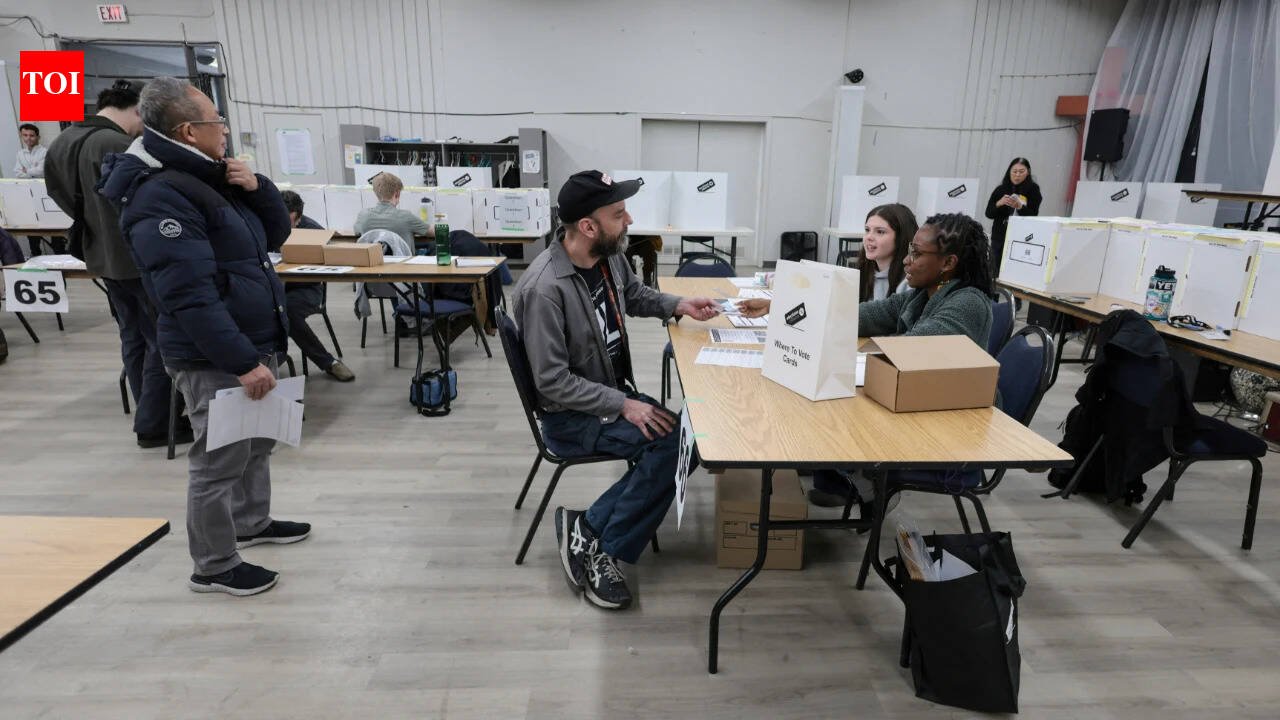
The referendum consists of 10 separate questions, each printed on a numbered, colour-coded ballot and placed in a corresponding ballot box. The first nine require a yes-or-no answer, while the tenth asks voters to choose between remaining in Canada and beginning the legal process for a binding independence referendum.Five of the first nine questions concern immigration, including proposals to give Alberta greater authority to restrict immigration and limit access to certain social services. The remaining four concern constitutional issues, including proposed changes to voting requirements.More than 1.3 million Albertans had already voted through advance and special ballots before Monday’s polling day, reflecting considerable interest in the outcome. However, voting was disrupted at more than 100 polling stations that failed to open on time. Some locations extended their hours to allow voters to cast their ballots, delaying the release of results until all polling stations had closed.Ballots are to be counted by hand, with officials given 48 hours to complete the process. The separation question will be counted first because of the intense interest in the result, with initial results expected in the early hours of Tuesday.
What happens if Albertans vote for separation?
A majority in favour of beginning the separation process would not make Alberta an independent country. Instead, it would put the province on the path towards a second, binding referendum, which Smith has said she would seek if the proposal receives majority support.Even then, independence would raise complex questions about the province’s constitutional status, defence arrangements, currency, border controls and economic relationships with the rest of Canada. Separatist groups have published transition plans, but several practical and legal issues remain unresolved.An Angus Reid poll released ahead of Monday’s vote found that 66% of Albertans intended to vote to remain in Canada. However, about three in five respondents believed the separatist movement would never disappear. Among those supporting a future binding referendum, many said their vote was intended to send a message to Ottawa rather than necessarily establish an independent country.Carney has urged Albertans to reject separation, arguing that national unity is particularly important as Canada faces US tariffs and Trump’s repeated annexation rhetoric. His government has also sought to address some of Alberta’s concerns by reversing certain environmental policies and supporting a proposed pipeline to expand oil exports to Asia.