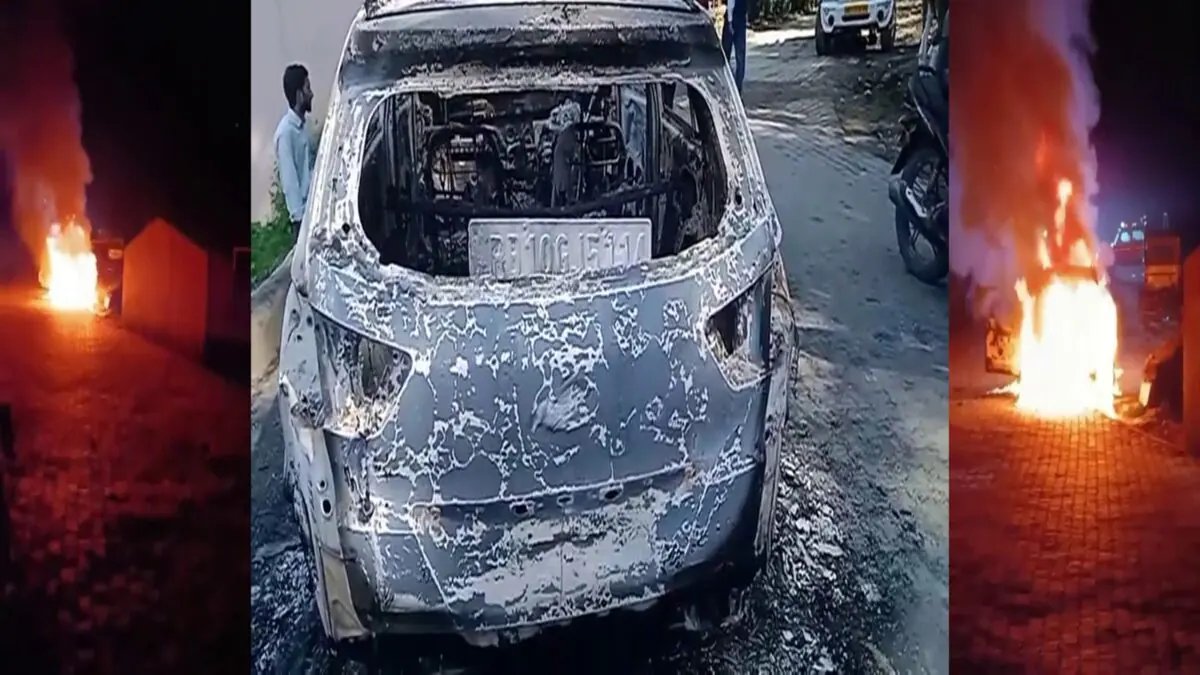
Incidents of sudden fire in a moving vehicle have been frequently discussed in recent years. Seeing smoke rising from a car or other vehicle running at high speed on the road is a frightening experience for any traveler. Such incidents not only cause damage to property but can also prove fatal. These dangers increase especially during summer season or during long journeys.



There are many technical and maintenance related reasons behind vehicle fires. With correct information and vigilance, these incidents can be prevented to a great extent. In this article, we will understand why fire occurs in a moving vehicle and what are the practical ways to keep ourselves safe.
How does a moving vehicle catch fire?
The main reasons include electrical short circuit, fuel or oil leakage, engine overheating and poor maintenance. Wear of wire insulation, incorrect wiring or installation of aftermarket accessories can cause sparks. Petrol-diesel or engine oil catches fire when it falls on the hot exhaust or manifold. Lack of coolant or overheating of the catalytic converter also increases the risk. Unauthorized CNG kits and negligence make these incidents more serious. Now let us know how to avoid such an incident.
Regular servicing and maintenance
Get the vehicle serviced at the intervals specified by the manufacturer. Get oil, coolant, fuel lines and hoses checked timely. Get small leakages or worn parts replaced immediately. Get the work done at an authorized service center only so that the quality is maintained.
Pay special attention to wiring and accessories
Do not install unauthorized or cheap music systems, LED lights or other electronic equipment. Wiring should be of correct fuse and quality. Get loose connections or worn insulation repaired immediately. Get aftermarket work done only by trained technicians.
Regularly check for fuel and fluid leakage
Look for signs of oil or fuel under the vehicle after parking it. Get the condition of fuel pipe, injector and oil seals checked. Do not ignore any leakage as it may cause fire if it falls on a hot surface.
Take measures to prevent engine overheating
Always keep the coolant level correct. During long journeys, stop the vehicle occasionally and allow the engine to cool down. Keep an eye on the temperature gauge. Also take care of brakes and tyres, because friction can generate excess heat.
Prepare for emergency
Keep a good quality fire extinguisher in the car. If smoke or burning smell is heard, immediately stop the vehicle at a safe place, switch off the engine and all passengers get out. Do not open the hood. Move at least 30 meters away and call emergency services.