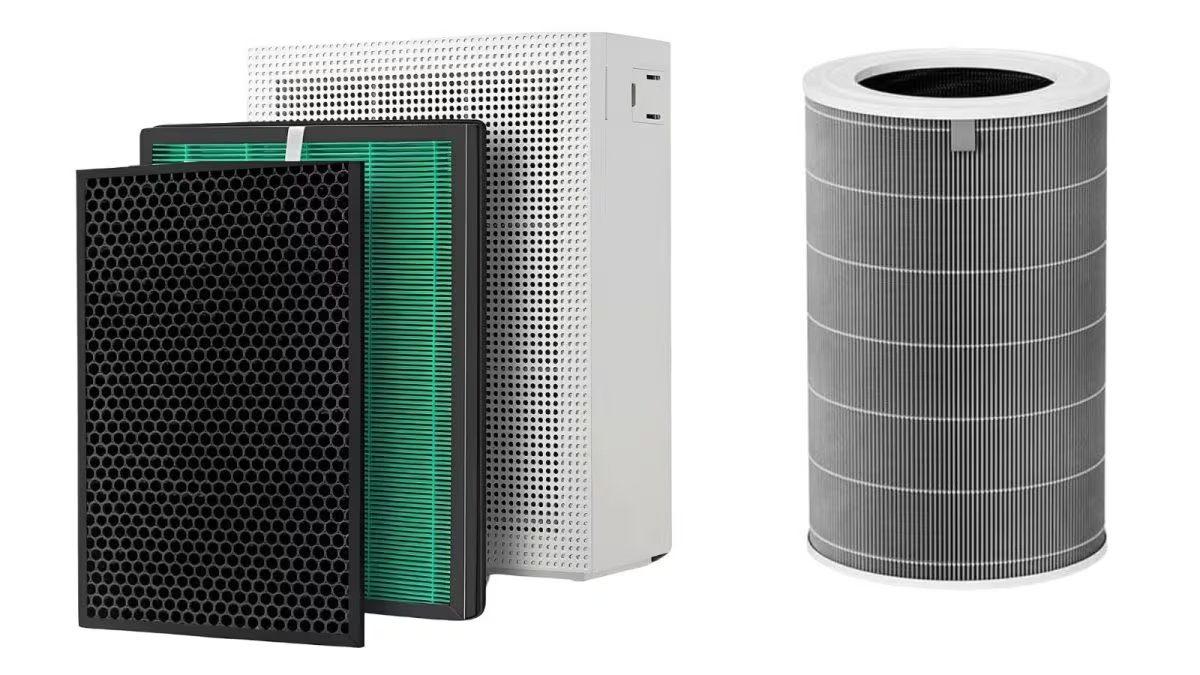
Air purifier helps in keeping the air of the house clean, but its performance largely depends on its filter. These filters prevent things like dust, pollen, pet hair, dander and chemical vapors present in the air. With time, dirt accumulates in them and the air passage starts becoming narrow. Due to this, the purifier is not able to provide as clean air as before.



When the filter is jammed, the fan of the machine also works harder. This can increase pressure on the motor and also increase power consumption. The problem is that despite the purifier being on and blowing air, its cleaning ability may be reduced. Therefore, it is important to clean or change the filter on time.
How often should different filters of Air Purifier be changed?
In most air purifiers, the air is cleaned in several stages. Every filter has its own life.
Pre-Filter: This is the first layer, which prevents large particles like dust and hair. If it’s washable, clean it every 2 to 4 weeks. Disposable pre-filters should usually be replaced every 2 to 3 months.
Activated Carbon Filter: It helps in reducing smoke, odor and gases like VOCs i.e. Volatile Organic Compounds. After its holes get filled, it is no longer able to hold the gases like before. It may need to be replaced in about 3 to 6 months.
HEPA filter: It catches fine particles present in the air. In normal household use, it is recommended to replace it between 6 to 12 months. Some high-performance or medical-grade home HEPA filters can last 12 to 18 months. Its actual life depends on usage and indoor air conditions.
What are the signs of filter damage?
The time for changing the filter should not be decided just by looking at the calendar. Also pay attention to these signs:
- Filter indicator blinking: Many purifiers indicate filter replacement through a timer or airflow sensor. But the timer is not able to tell the actual condition of the house every time.
- Filter color change: New HEPA filters are usually white. If it has turned dark gray or brown and has thick dust or hair accumulated on it, it needs to be checked.
- Weak air flow: If less air is coming from the vent even at high speed, the filter may get jammed.
- Return of odor or allergy symptoms: Musty smell from the machine, increased dust in the house, sneezing or blocked nose in the morning can be signs of reduced filter efficiency.
- Making excessive noise of the machine: Blocking the air passage in the filter can increase the pressure on the fan and motor, due to which the sound can become loud.
For what reasons do filters get damaged quickly?
In some homes, filters may need to be changed earlier than usual. The main reasons for this are:
- Pets: Excess hair and dander accumulates in the pre-filter and HEPA filter.
- Cigarette or wood smoke: Smoke particles and resins can quickly clog carbon and particulate filters.
- High pollution or wildfire smoke: Living near traffic or industrial areas and in smoky conditions can significantly reduce filter life.
- Continuously running at high speed: Running the purifier at high speed day and night can clog the filters quickly. Its life may be less compared to auto mode or limited use.
The right time to change the filter depends on the model of your purifier, usage and the air in the house. Use the above duration as a starting guide and clean or replace the filter first if necessary.