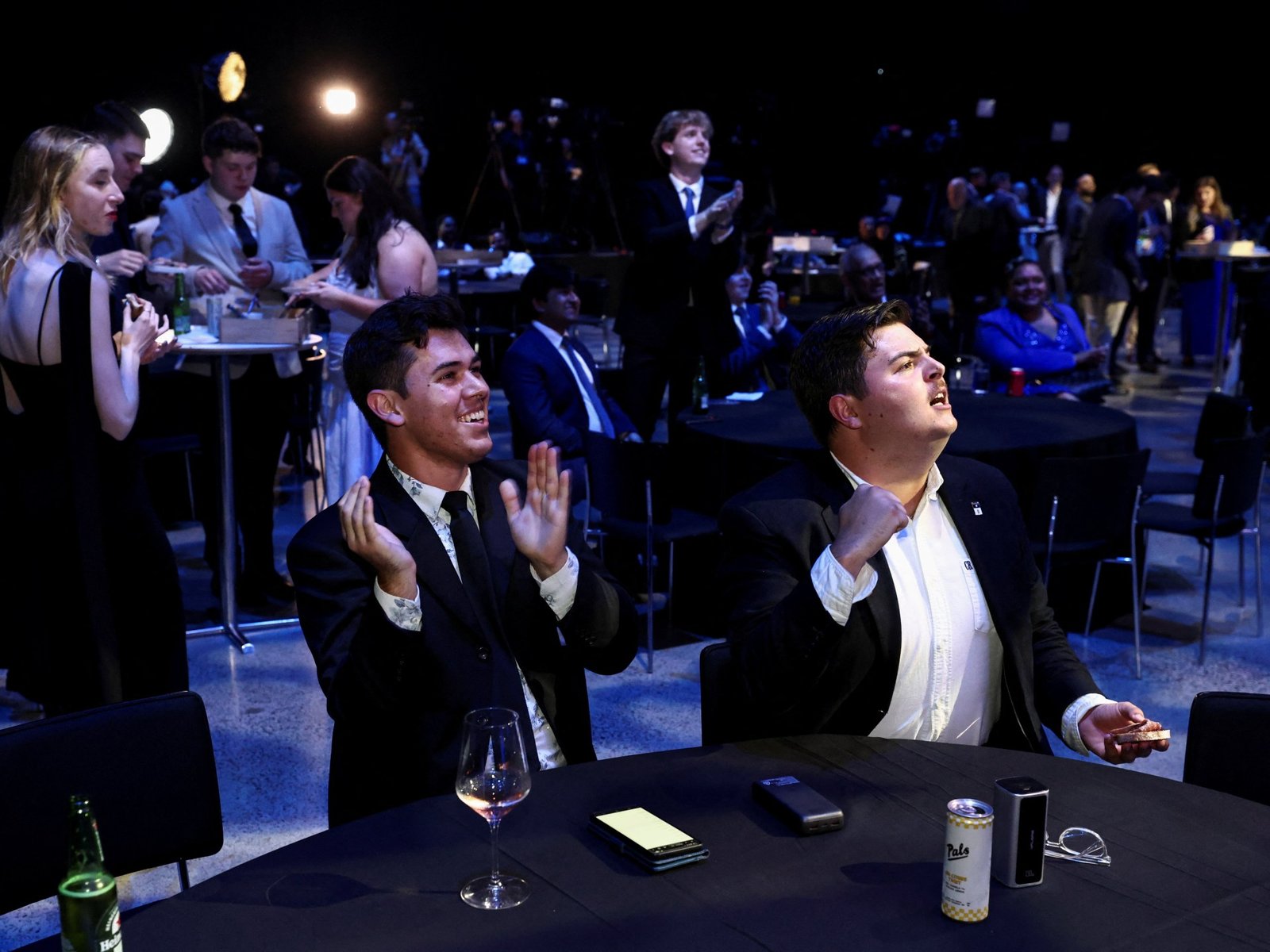
New Zealand’s governing centre-right National Party and main opposition Labour have both secured just short of 30 percent of the popular vote, with 95 percent of the election results counted.



The Electoral Commission on Saturday showed the current three-party ruling coalition led by National would have a majority of just one seat, after an election dominated by a struggling economy and voter disillusionment with the two biggest contenders.
It added that the centrist Opportunity Party will meet the 5 percent threshold to enter parliament, with seven seats, potentially becoming a kingmaker.
Polling stations opened at 9am on Saturday (20:00 GMT Friday) and closed at 7pm (06:00 GMT Saturday).
A final result, which will reflect ballots cast by New Zealanders abroad, is expected by November 27.
There is no timeframe for when a government must be formed.
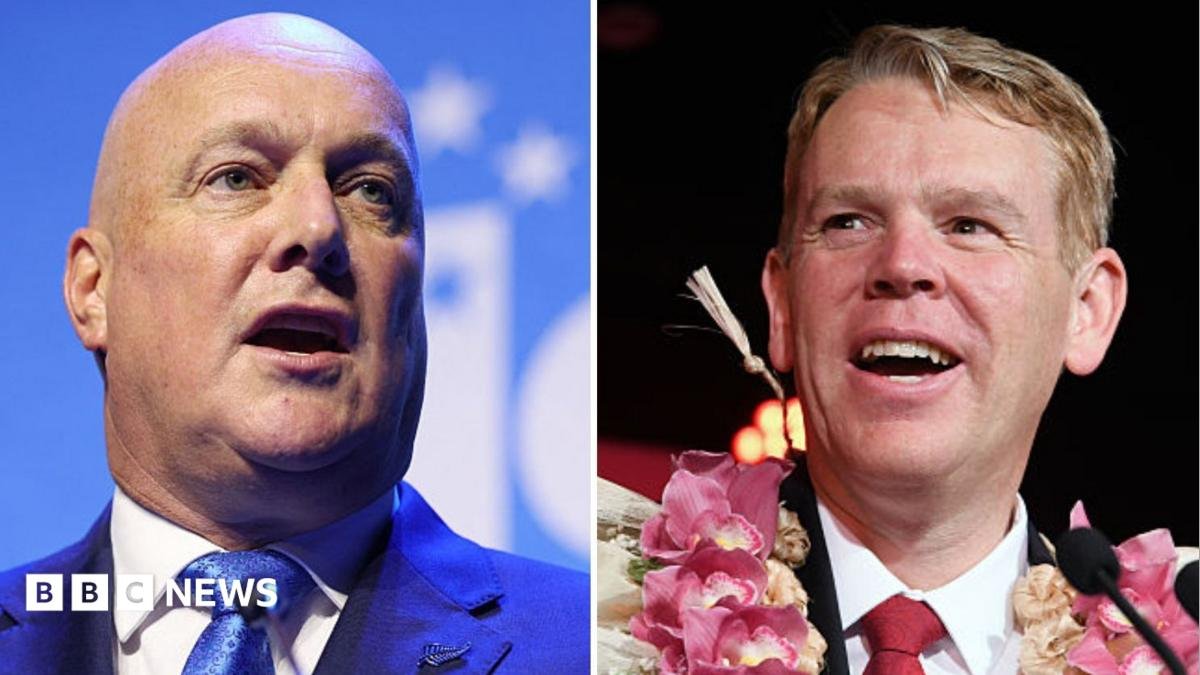
New Zealand’s opposition leader Chris Hipkins said the country’s politicians would need to find “common ground”, as results showed neither main party was likely to win an overall majority.
“New Zealand has spoken. It may take us a little bit longer to figure out exactly what it is that you’ve said,” Hipkins told supporters. “Our next parliament is going to require all of us to compromise, to work together, and to find common ground.”

New Zealand’s 2026 election has been at times dubbed the “supermarket election”, where grocery prices and supermarket competition have become a key battleground for political parties.
Peter Dunne, a former member of New Zealand’s parliament, who also served as a minister in both National and Labour-led governments, said that the election is “much more of a cost-of-living election”, with voters essentially looking at “which of the main blocs is better placed to ease the cost of living burden on New Zealanders”.
“The ruling coalition appears well ahead of the centre-left. Now, that may change because these are early results, but it’s a little bit of a surprise that this is happening,” Dunne told Al Jazeera. “We were looking to a much tighter contest than appears to be the case at the moment.”
The National Party pledged to return the budget to surplus through fiscal discipline while expanding the national pension scheme. The Labour Party promised cheaper healthcare and transport.
The former minister added that both main parties are practically “carbon copies of the other”, leaving “a whole rising generation of voters, who want to see a bit more adventure in politics”.
Dunne said that, therefore, the results show support rallying behind other parties, like “strong support for the Green Party, the right-wing libertarian [ACT New Zealand], the xenophobic nationalist [New Zealand First] party, and a new centrist party, the Opportunity Party, which wants to be in the middle between all of them”.
He told Al Jazeera that even though the Opportunity Party is currently hovering around 5 percent at the moment – also the threshold for representation in parliament – “it’s been one of the big stars of this campaign”.

New Zealand holds a general election every three years under a mixed-member proportional system.
Voters do not elect a leader of the country, but instead select a local electorate candidate and a political party.
Dunne told Al Jazeera that if both main parties of the blocs “end up relatively evenly placed, then the onus could go on the Opportunity Party”.
“If Opportunity Party reaches parliament, it will talk to the largest party first, which appears to be the National Party, but there’s no guarantee that they could come to an arrangement,” he said.
“We could face weeks of interparty negotiations to form a government. Parliament has to sit by early January, so there’s a real prospect that we could go into Christmas with no clear government in New Zealand,” Dunne added.
Electorate winners earn a seat in the typically 120-seat parliament, as do the highest-ranked members of the party, based on their national party vote.
All votes are counted by hand, not by machine.