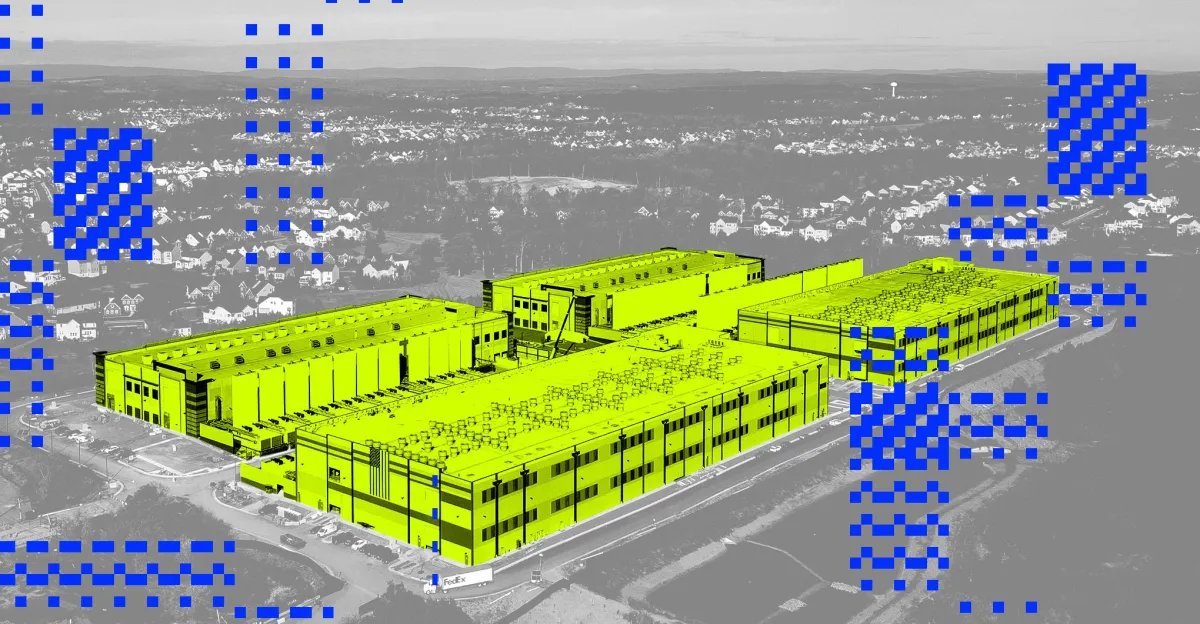
A high-stakes California ballot measure pitched as a fast track for “essential” infrastructure could wind up giving data center developers a loophole to evade public scrutiny, environmental advocates warn.



Proposition 45 would shorten timelines for state-mandated environmental assessments for eligible projects and make it more difficult for residents to challenge those projects in court. Proponents say passing the measure would help alleviate the state’s housing shortage and meet rising electricity demand with new renewable energy projects. Environmental groups and some legal experts, however, warn that data center developers backing the proposition could escape scrutiny if Prop 45 becomes law.
“The concern here is that data center developers will find a way to shoehorn their projects into the definition of an essential project and then get to take advantage of … the fast-track review that it’ll create,” says Fernando Gaytan, a senior attorney at the nonprofit environmental law organization Earthjustice, which opposes Prop 45. “Communities get cut out of the conversation.”
“Communities get cut out of the conversation.”
Prop 45 would loosen standards for certain projects subject to the California Environmental Quality Act (CEQA). CEQA requires state agencies to perform environmental reviews and work with project developers to find ways to limit any harmful impacts to the environment and public health. Crucially, CEQA also mandates that state agencies gather community input and consider public comment before issuing any approvals.
Specifically, Prop 45 would create a 365-day deadline for agencies to complete the environmental impact report for a project. It also stipulates that any legal challenges would need to be settled within 270 days. It would only allow for 45 days of public comment, and it would only require state agencies and developers to consult with Native American tribes that have been federally recognized. CEQA as it’s currently written sets a minimum rather than a maximum number of days for public review, and mandates consultation with tribes that might be impacted by a project even if they’re not formally recognized by the federal government as having “government-to-government“relations with the US.
During the CEQA review process, state agencies develop alternatives that developers can take to mitigate environmental and health risks. Prop 45 would turn that on its head, making developers responsible for coming up with a single alternative project plan for regulators to consider. The proposition would also strip away an agency’s authority to repeatedly ask a developer for more information about a proposed project; state regulators would need to specify all the information a company is required to provide at the start of the application process.
On top of all that, Prop 45 would bar courts from halting a project altogether even if it finds that the regulatory agency failed to correctly comply with CEQA. The judge would only have the ability to pause specific parts of a project that are problematic, rather than forcing a full stop to construction. That’s the piece that’s most egregious for Gaytan. “It’s hard to undo harms once you’ve already started a project,” he says.
Data centers are a hot-button elections issue for midterms across the US and have become a point of contention for Prop 45 as well. The proposal lists nine types of “essential” projects that would be eligible for streamlined review, including housing, clean energy, and “broadband Internet access.”
Gaytan and some other legal experts contend that the latter designation — broadband internet access — could include data centers. The language includes any project that would “provide mass-market retail service by wire service, wireless service, or radio to customers in this state that provides the capability to transmit data to, and receive data from, all or substantially all internet endpoints, including, but not limited to, any capabilities that are incidental to and enable the operation of the communications service.”
Proposed data centers that include any broadband transmission infrastructure might be able to squeeze into that definition, UC Davis School of Law professor emeritus Richard Frank and attorney Matthew McKerley write in a recent column in the Daily Journal. They also point out that companies currently developing data centers have poured hundreds of thousands of dollars into a campaign to support Prop 45. And while Prop 45 excludes certain types of projects, like nuclear energy and dial-up internet access service, it doesn’t explicitly bar data centers.
Proponents, meanwhile, argue that Prop 45 would not apply to data centers. “The fact that data centers may play a role in supporting the Internet does not make them ‘essential broadband Internet access projects’ under Prop 45,” attorney and lobbyist Kurt Oneto writes in The National Law Review. The Yes on Prop 45 campaign didn’t immediately respond to a request for comment.
Prop 45 has managed to garner support from the California and Hawaii chapter of the NAACP, which has been among one of the most vocal civil rights organizations to oppose data center developments across the US. The NAACP filed suit against xAI over air pollution from gas turbines at its Colossus 2 data center, and the Texas chapter has called for a statewide moratorium on data center development.
“Working families and communities of color pay the highest price when essential projects like housing, clean energy, water, health care facilities, and transportation take years longer and cost millions more than they should,” Rick Callender, president of NAACP California/Hawaii State Conference, said in a September 9th press release. “Prop. 45 is about accountability, not shortcuts, creating a smarter process that gets these projects built sooner while protecting civil rights and environmental safeguards.”
Regardless of whether Prop 45 influences data center development in California, its opponents worry that it could disempower the same communities that the new projects it covers are supposed to benefit. “It’s about public participation and democracy,” Gaytan says. “It’s about neighbors being able to say, ‘I want you to be transparent with me about what’s going behind that wall.’”