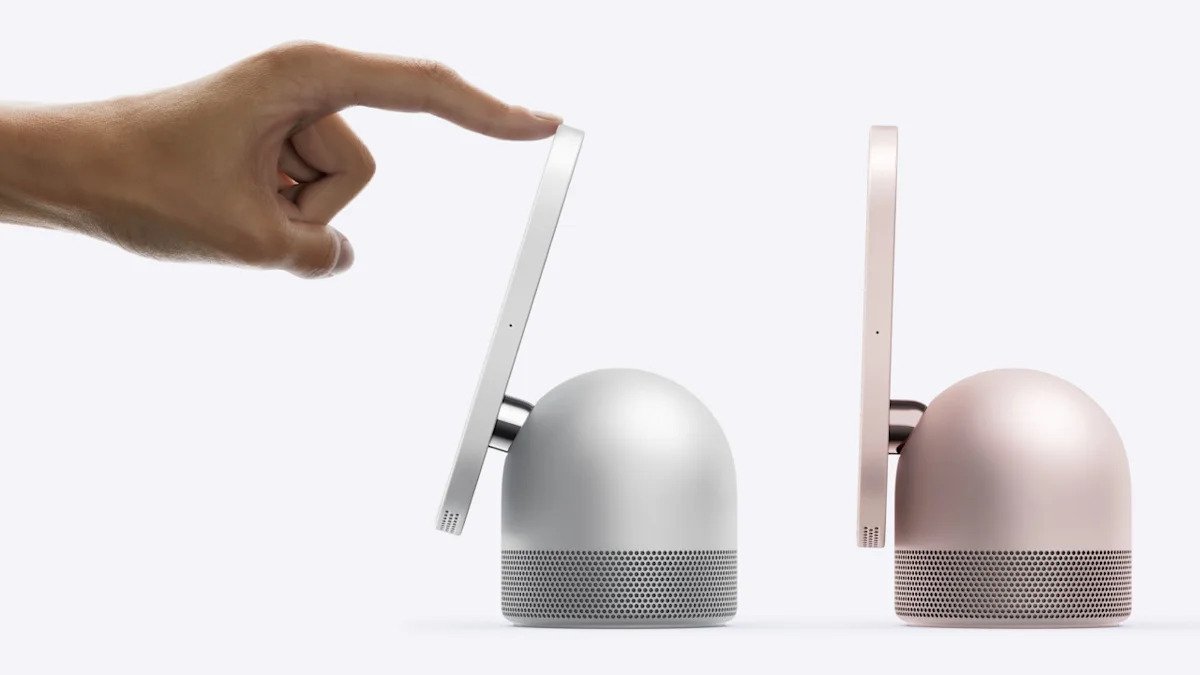
Apple’s latest tech move is HomeView, a smart-home hub designed to bring a more personalized version of Siri into consumers’ homes. The device highlights Apple’s continued push to make its AI assistant more useful across its ecosystem — the same broader technology that drew scrutiny in a class-action lawsuit over delayed Siri AI capabilities for iPhones.
Plaintiffs alleged that Apple’s marketing created expectations about AI features that weren’t available when consumers purchased their phones. Apple agreed to pay $250 million to settle the class-action lawsuit, without admitting wrongdoing. The agreement is subject to judge approval.
Must Read
Now, as Apple expands its AI ambitions to compete with Amazon’s Echo Show and Google’s Nest Hub, consumers face a familiar question: Should they pay for another Apple device with its major selling point being AI?
Here’s what to know about the new AI-powered tech, the ongoing lawsuit and how to claim your share of the pending settlement before it’s too late.
What is Apple HomeView?
Apple HomeView, which will retail at $299, is a smart home-management device that features a seven-inch Liquid Retina display touchscreen, a built-in speaker and a camera that recognizes individual household members, allowing it to personalize the experience for up to six people. Users can make FaceTime calls, play music, view security camera feeds and control connected devices such as thermostats, lights and smart locks, according to Apple’s announcement.
But HomeView’s biggest selling point is its integration with Apple Intelligence, the company’s AI platform that also powers newer Siri capabilities. Apple’s upgraded Siri is designed to do more than respond to basic voice commands. The assistant is expected to understand personal context, provide more conversational responses and use information from apps to help users complete tasks.
For example, users can ask questions that require information from their personal schedules rather than relying solely on general internet knowledge. When paired with a compatible Apple Intelligence-enabled iPhone or iPad, HomeView can draw on information from apps such as iMessage and Calendar to deliver more personalized responses.
“Apple HomeView is designed to be shared by everyone in the home yet feel completely personal to each user,” Greg Joswiak, Apple’s SVP of worldwide marketing, said in a statement. “It’s powered by Apple Intelligence with Siri AI at its core, drawing on personal context from your iPhone to help you find what you need and get more done, all while keeping everyone’s information private and secure.”
Read More: Vanguard reveals what’s coming for U.S. stocks — and it could be bad news for this group of investors
A new product, the same technology
Apple HomeView, releasing on Nov. 13, leverages the same broader technology at the center of Apple’s pending $250 million settlement.
While Apple denies all of the allegations made in the class-action lawsuit — customer claims centered on the company’s 2024 unveiling of new AI-powered capabilities for Siri, including the ability to understand a user’s personal context, recognize what’s displayed on their screen and perform more actions across apps.
“Powered by Apple Intelligence, Siri becomes more deeply integrated into the system experience,” the company wrote in a June 2024 press release introducing Apple Intelligence. “With richer language-understanding capabilities, Siri is more natural, more contextually relevant and more personal, with the ability to simplify and accelerate everyday tasks.”
HomeView is not part of the aforementioned settlement. But the tech giant’s broader push to develop Siri into a more capable, personalized AI assistant drives consumer interest in the device in the same way.
However, it’s worth noting that to fully leverage HomeView, users will need to connect other Apple devices for a more personalized feel.
Are you eligible for the $250 million settlement payout?
According to the court-filed motion for preliminary approval, filed on May 5, Apple’s $250 million settlement agreement establishes a fund to compensate eligible U.S. consumers who have purchased an eligible device between June 10, 2024, and March 29, 2025, for personal or business use rather than resale.
Eligible devices include the iPhone 16, iPhone 16e, iPhone 16 Plus, iPhone 16 Pro, iPhone 16 Pro Max, iPhone 15 Pro, and iPhone 15 Pro Max — of which there are approximately 37 million.
Consumers who submit valid claims by Dec. 21, 2026 may receive $25 per device, with payments potentially reaching $95 depending on the number of valid claims and other settlement costs, according to the official settlement website.
Some consumers may have received a settlement notice by email or in the mail containing a claim identification number and PIN. If you did not receive a notice, you can still file a claim by selecting, “I DO NOT have a Claim ID and PIN, but I would like to file a claim online” on the form.
What To Read Next
Join 250,000+ readers and get Moneywise’s best stories and exclusive interviews first — clear insights curated and delivered weekly. Subscribe now.
This article originally appeared on Moneywise.com under the title: Apple bets on the same Siri AI technology with new HomeView device that led to a $250M settlement for iPhone users
This article provides information only and should not be construed as advice. It is provided without warranty of any kind.