Swaraj Baggonkar
A year ago, GST rationalization had made luxury cars cheaper by about 5-7 percent. But the continuous price hike of Mercedes-Benz, BMW and Audi has almost wiped out those savings. Some models have now become as expensive or more expensive than they were before the GST cut.



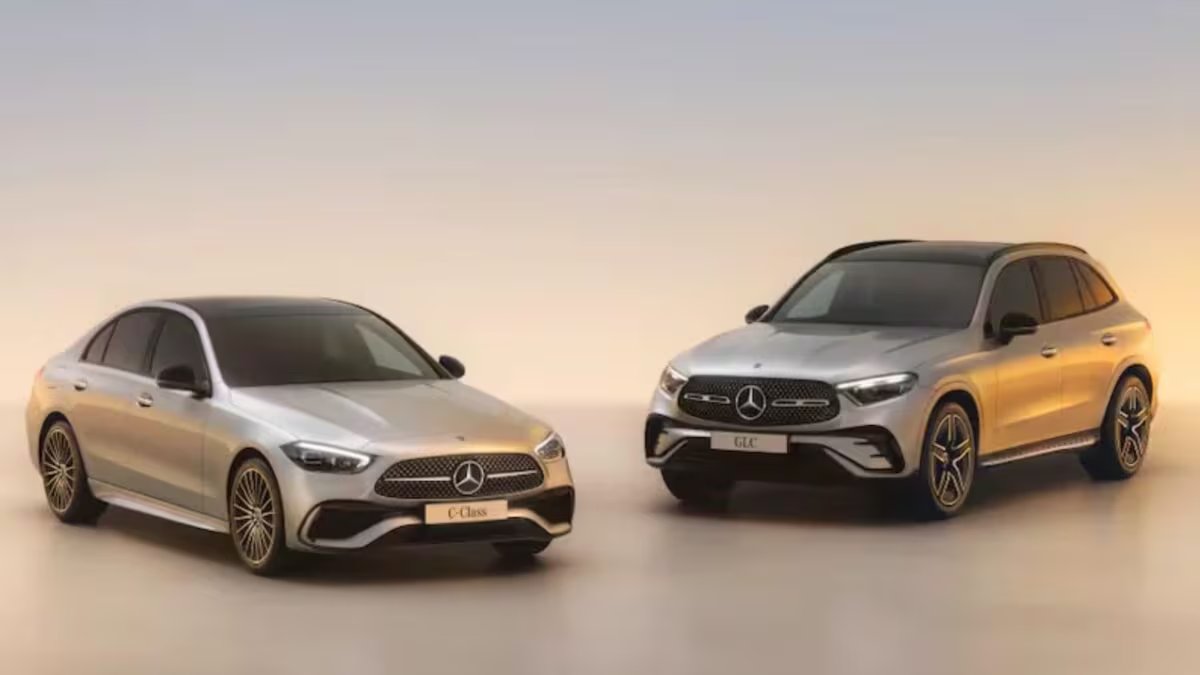
The price of Mercedes-Benz GLA 200 before the implementation of GST was Rs 51.5 lakh on 22 September 2025. After deduction it remained Rs 49.7 lakh. Now it has increased to Rs 51.8 lakh. That means 30 thousand rupees more than the old level. The price of BMW X3 xDrive20d M Sport was reduced from Rs 78.3 lakh to Rs 73.1 lakh. Now it has again reached Rs 78.2 lakh. The savings of about Rs 5.2 lakh were almost completely reversed.
This reversal happened because luxury car makers are struggling with the weakening of the rupee against the euro, rising logistics expenses and high operating costs. The GST rate remains low, but the companies themselves have reduced the benefits to the customers by increasing the prices.
Audi India has increased the price twice this year. The total increase has been about 4 percent. According to Audi India head Balbir Singh Dhillon, the company had reduced the prices by about 6-7 percent after GST. Dhillon told Moneycontrol, we had to increase the price several times due to forex fluctuations. Last year the rupee had fallen by 19 per cent against the euro and this year it has already fallen by 6-7 per cent. All this is destroying the positive effect of GST. We have made two increases this year.
Why are luxury cars more affected?
Luxury carmakers are more sensitive to currency fluctuations because they depend on imported vehicles and parts. Mass-market companies have a strong domestic supplier network, but luxury brands operate in lower volumes. Therefore deep localization is commercially difficult for them. Models assembled in India also often import CKD kits, engines, transmissions, electronics and other special parts. For German manufacturers like Mercedes-Benz, BMW and Audi, a large portion of this comes from Europe.
As a result, a weakening of the rupee against the euro increases the cost of procurement and manufacturing, even if the price of the original part does not change. Due to high parts and import value in luxury vehicles, the impact is visible in rupee terms also. Companies must either bear these additional costs themselves (margin pressure) or pass them on to customers by increasing prices. This is why the benefits of GST ended so quickly. The tax cut was a one-time saving, while currency devaluation and rising expenses continued to affect companies throughout the year.
Mercedes-Benz increased prices twice
Mercedes-Benz India has increased prices twice in 2026 and is preparing for another increase from October 1. After increasing the rate by 2 percent in January and 2 percent in April, it has been announced to increase it again by 2 percent from October. The company says that by bearing the increasing expenses in the last months, we saved our customers from the immediate impact. Now this pressure continues, so this balanced adjustment has become necessary.
BMW Group India also made price revisions throughout the year. It was increased by 2 percent from April and again by 2 percent from July. If the pressure continues, it may increase further. BMW Group India President and CEO Hardeep Singh Brar said the price increase in 2026 has been taken to protect its premium standards from macroeconomic headwinds, especially the falling rupee and rising logistics costs. BMW’s overall growth in 2026 is between 5 to 7 percent depending on the model and modification.
Last year, the average initial discount based on pre and post-GST prices of six Mercedes variants was around 6.1 percent. Brar had earlier told that since the beginning of 2026, the rupee has declined by about 7 percent against the euro, due to which there has been increased pressure on prices.
slowness in growth
The impact of the end of GST benefits is visible at a time when India’s luxury car market is slowing down after several years of post-pandemic boom. The segment grew by about 4 percent annually in the first half of 2026. Industry executives expect flat or single-digit growth for the entire year.
Dhillon estimates that the luxury car segment will grow by 8-10 percent this year, but consumer sentiment remains a matter of concern. He said, our segment is very much related to emotions. Sentiment matters a lot. The stock market was moving sideways for 18 months to two years and then the West Asia crisis. Overall it is not giving positive sentiment.
GST rationalization had initially provided price incentives to buyers, especially in a segment where even small percentage cuts translate into savings of several lakhs of rupees. But the subsequent price hike showed how quickly currency movements can erase the consumer benefits of the tax cut in an import-dependent industry.
Mercedes is set to make further increases in October and BMW has hinted at the possibility of further revisions. This may create further pressure on prices. The tax cuts for luxury car buyers haven’t disappeared. But after a year, a large part of the initial savings has been absorbed in higher vehicle prices. Some models have now again reached or above their pre-GST levels.